If you’ve spent any time in a Pinterest fitness board or a gym locker room, you’ve seen both: someone rolling around on a hard foam tube wincing, and someone else pointing a jackhammer-looking device at their quad. They’re both sold as “muscle recovery,” which makes it genuinely confusing to know which one is worth your money — or whether you need both.
Here’s the honest, non-salesy version of how they actually differ, so you can decide what fits your situation instead of just buying whatever showed up in your feed.
What a Foam Roller Actually Does
A foam roller works through your own body weight. You lie or lean on it and roll a muscle group — quads, back, IT band — slowly across the surface. It’s a form of self-myofascial release: you’re applying broad, sustained pressure rather than a fast, targeted one.
- Covers large muscle groups efficiently (whole quad, whole back) in a few passes
- No batteries, no charging, effectively lasts forever if it’s a rigid-core design
- Cheapest entry point into a recovery routine
- Takes more physical effort and a bit of technique to use well
What a Massage Gun Actually Does
A massage gun uses a motor to drive a percussive (rapid tapping) motion into a small, specific area. Instead of you doing the work, the device does it — which is why they’re popular for hard-to-reach or very localized tight spots like calves, traps, or the outside of the hip.
- Much more targeted — good for one specific sore spot rather than a whole muscle group
- Faster and less physically demanding to use
- Adjustable intensity, useful if you want to start gentle
- Needs charging, and battery life claims vary a lot between real buyers
- Costs meaningfully more than a foam roller
So Which One Should You Buy First?
If you’re building a recovery routine from scratch and don’t want to spend much to find out whether it’s even worth it to you, start with a foam roller. It’s cheaper, it never runs out of battery, and rolling around on one will actually teach you where you’re tight — information that makes a massage gun more useful later if you decide to add one.
If you already know your problem areas (a tight calf from running, a knotted upper trap from a desk job) and want something faster and less effortful, a massage gun is the better fit — you’re paying for precision and convenience, not for a fundamentally different result.
Plenty of people end up owning both, since they solve overlapping but not identical problems. Neither is a substitute for stretching, sleep, or seeing a physiotherapist for an actual injury — they’re recovery tools, not treatment.
Our Picks, If You Want to See the Numbers
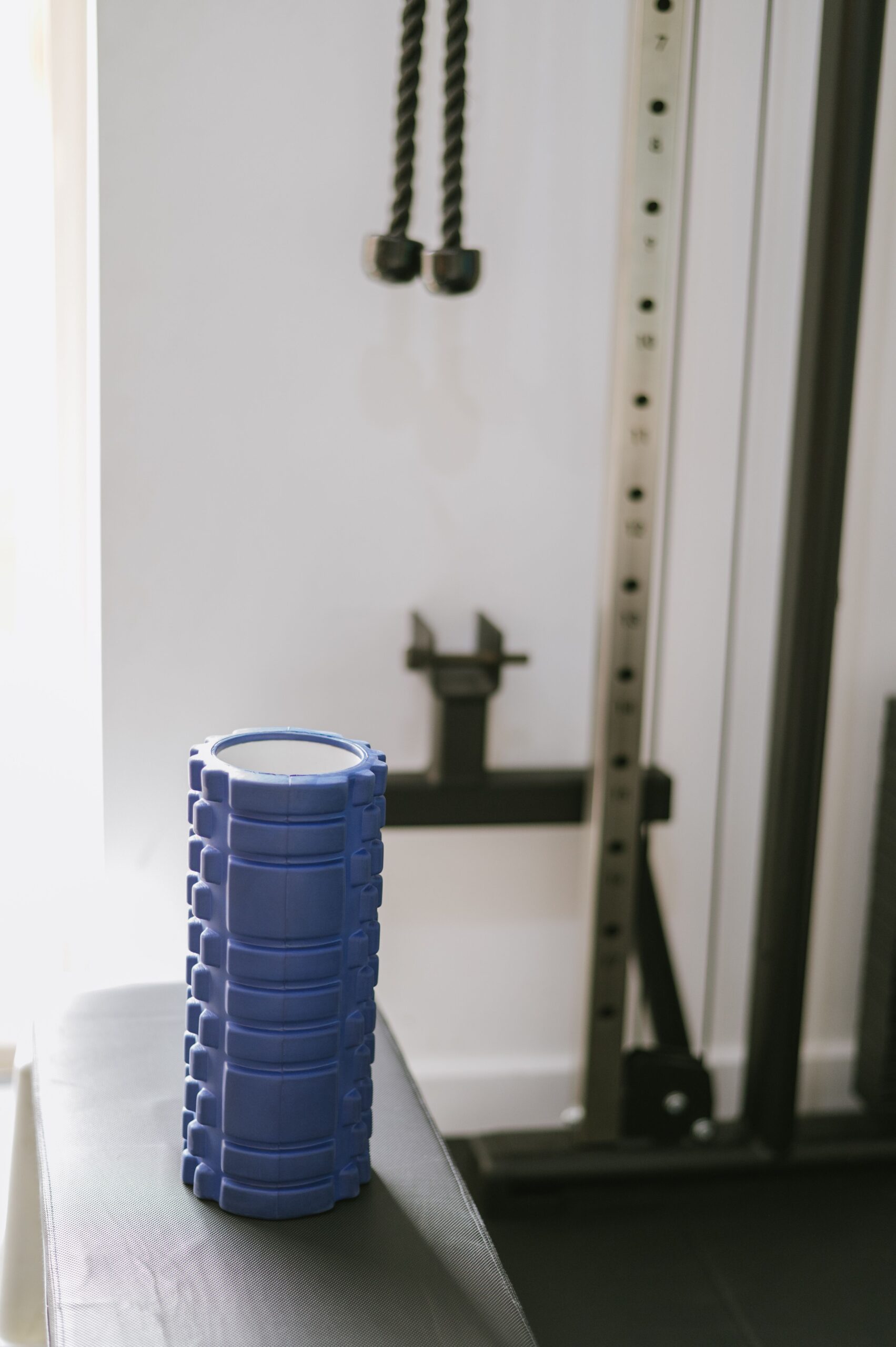
TriggerPoint GRID 1.0 Foam Roller (13″)
A hollow, rigid-core roller that keeps its shape instead of flattening out over time. Firmer than basic foam rollers, so it can feel intense the first few sessions.
See the Full Review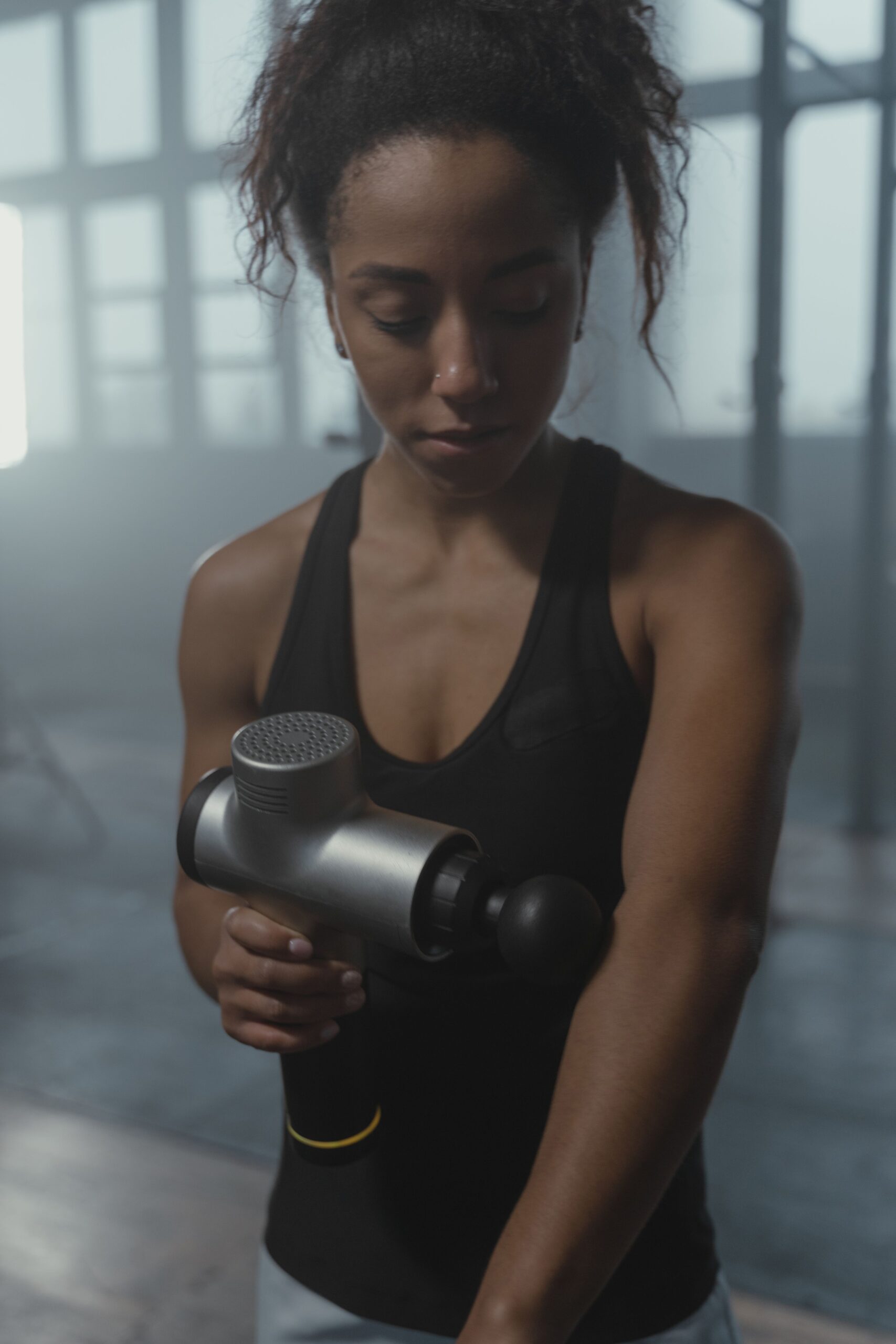
TOLOCO Massage Gun
A budget-friendly percussion gun with 10 interchangeable heads and 7 intensity levels. Genuinely quiet for its price range — battery life reports are mixed, so don’t expect the best-case number every time.
See the Full ReviewAs an Amazon Associate, HealthMotiveHub earns from qualifying purchases. Neither product is a medical device, and this isn’t medical advice — if you’re dealing with an actual injury or a medical condition, check with a doctor or physiotherapist first.
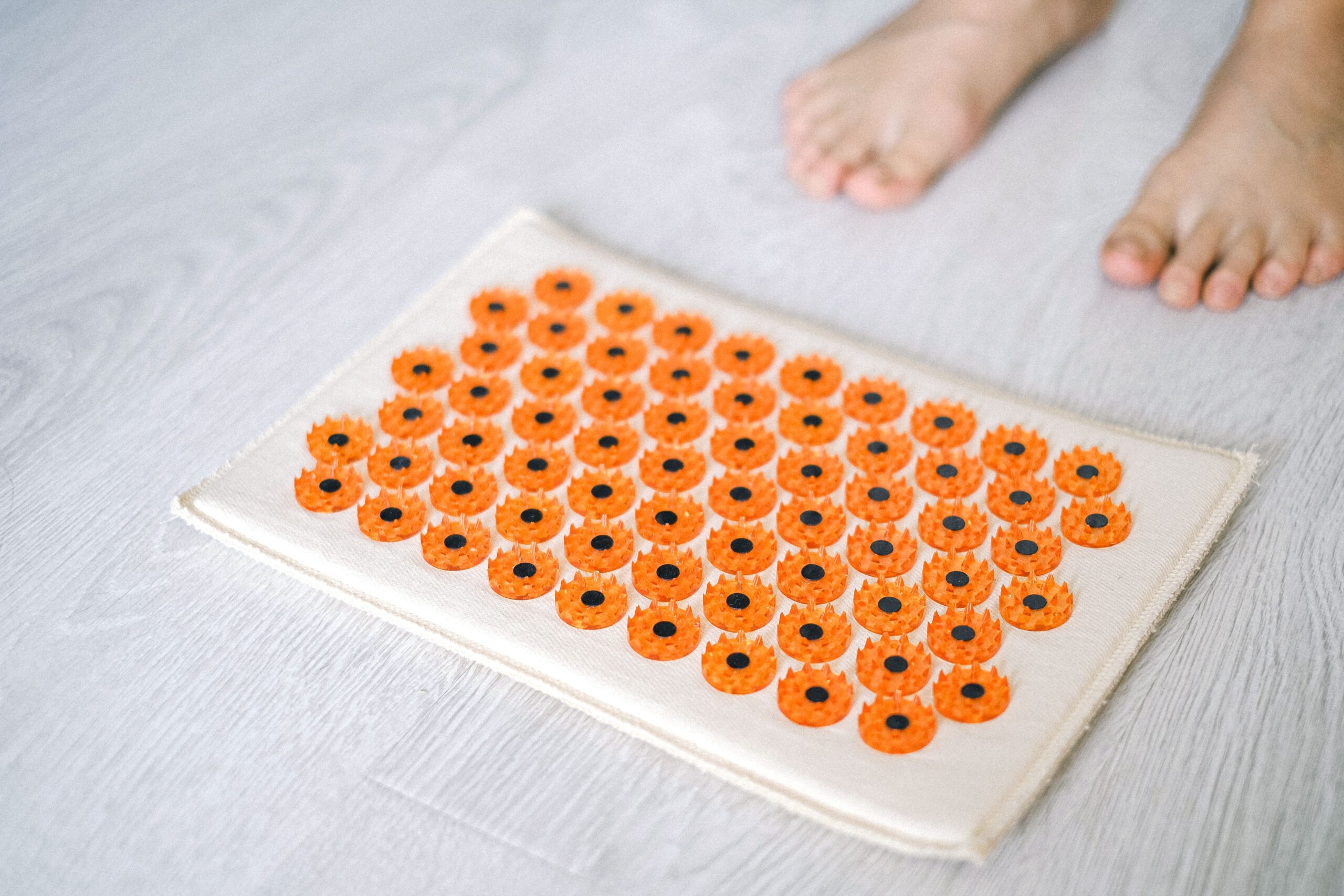
Related reading: how to use a massage gun safely goes deeper on technique, and what acupressure mats actually do covers the third option people ask about.