
Natural Beauty & Holistic Products
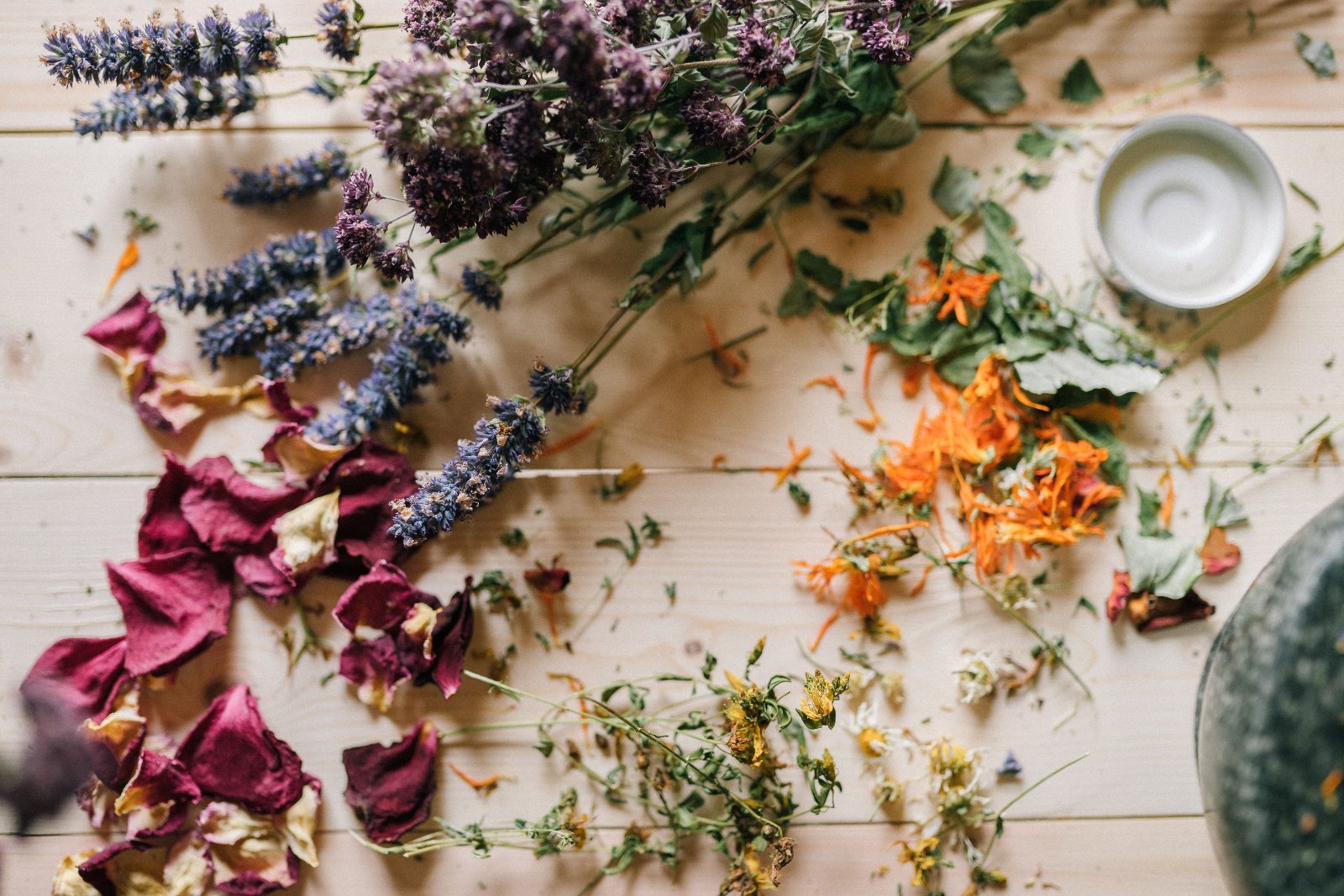
“Natural” has become one of the most overused words on a beauty label. It’s worth understanding what it actually signals — and what it doesn’t — before it shapes what you buy.
What “natural” and “holistic” actually mean
Neither term is strictly regulated on cosmetic labels in most markets, which means a product can call itself natural while still containing a mix of synthetic ingredients. A more useful lens than the marketing word is the ingredient list itself — and the recognition that “natural” doesn’t automatically mean gentler or safer. Poison ivy is natural too. What matters is whether an ingredient suits your skin, not where it originated.
Ingredients worth knowing
- Plant oils (jojoba, argan, rosehip) — commonly used for their fatty acid profile, which can support the skin’s own barrier.
- Botanical extracts (chamomile, green tea, calendula) — often included for mild soothing properties, though concentration varies a lot between products.
- Essential oils — popular for fragrance and holistic rituals, but among the more common causes of skin irritation and allergic reaction in “natural” formulas.
Building a holistic routine that’s actually simple
A holistic approach to beauty isn’t about collecting the most products — it’s usually the opposite. A short, consistent routine (cleanse, a suitable oil or moisturizer, sun protection during the day) tends to outperform a large rotating shelf of specialty items, and it’s easier to notice what’s actually working.
Natural beauty picks we have reviewed
Researched from specifications and verified buyer reviews, not personally tested.
This page is general information, not dermatological advice. Patch-test new products, and see a dermatologist for persistent skin concerns or reactions.