
Smart Health Tech & Gadgets
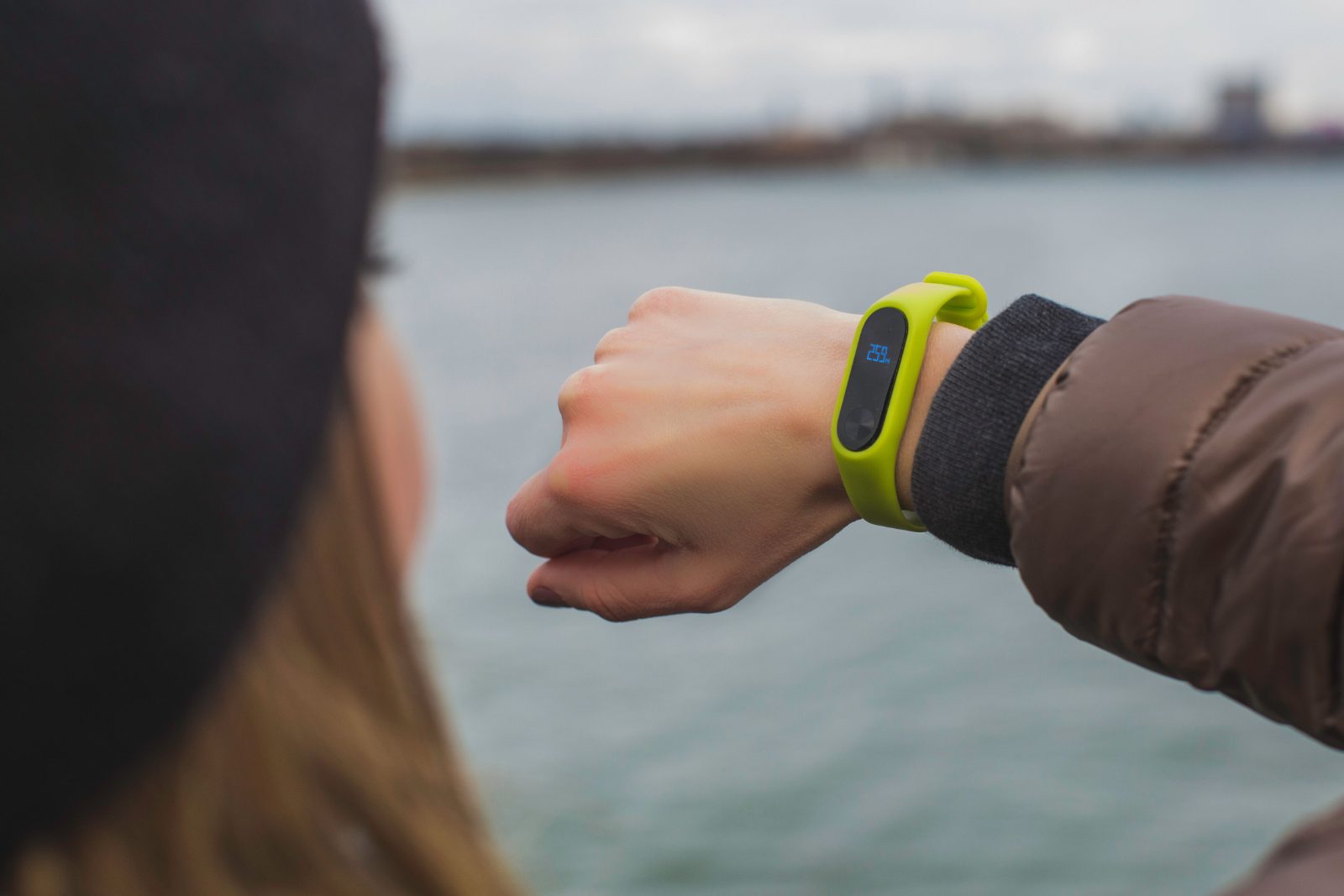
Wearables have gotten remarkably good at collecting data. The harder part — and where most people get the least value — is knowing what to actually do with the numbers.
What these devices are genuinely good at
- Trend spotting — a wearable is far more useful for noticing a pattern over weeks (declining sleep, rising resting heart rate) than for any single day’s reading.
- Awareness, not diagnosis — step counts and sleep scores are estimates, not clinical measurements, and shouldn’t be read with more precision than they offer.
- Habit nudges — reminders to stand, move, or wind down tend to be the most consistently useful feature, more than any advanced metric.
Choosing what to track
More data isn’t automatically more useful — and checking a dashboard obsessively can become its own source of stress. It generally works better to pick one or two metrics that connect to something you’re actually trying to change (sleep, daily movement) rather than monitoring everything a device offers.
A sensible way to use the data
Look at trends weekly rather than daily, and treat any reading that seems off as a prompt to pay attention — not a diagnosis. If something tracked consistently looks concerning over time, that’s a conversation for a doctor, with the data as a starting point rather than a verdict.
Health gadgets we have reviewed
Researched from specifications and verified buyer reviews, not personally tested.
This page shares general information about wearable health technology, not medical advice. Wearable data is not a diagnostic tool — talk to a doctor about any health concern.