

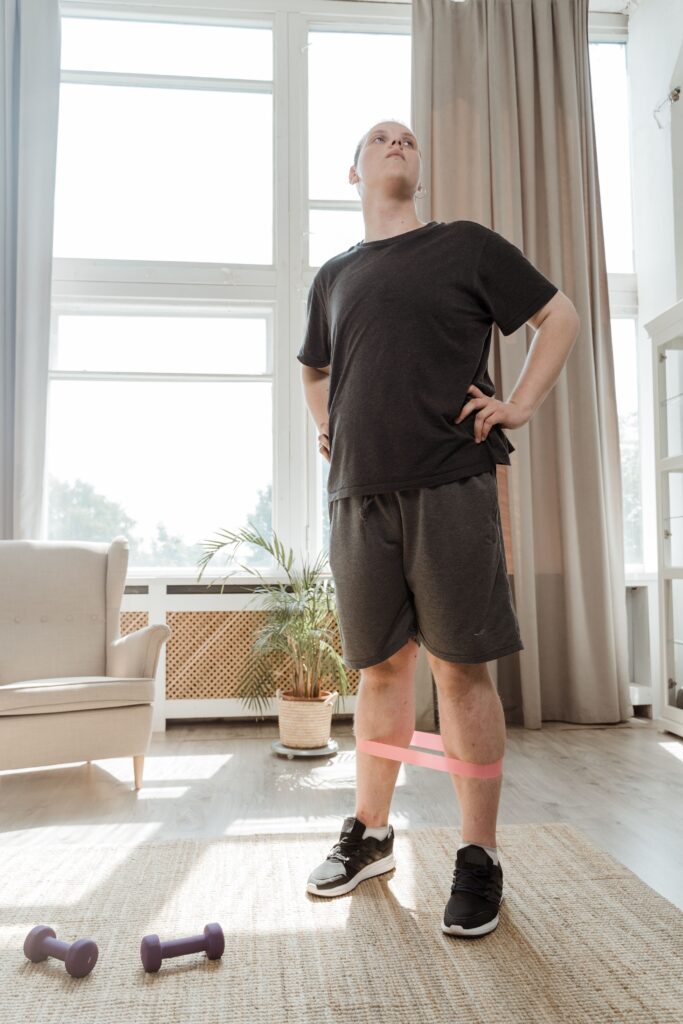
A researched guide, not a personal test report. Sources are listed at the bottom; product notes link to our full shelf reviews.
Ask most people how much exercise they are supposed to do and you get one number: 150 minutes a week. That number is right, but it is only half the answer. The official guidelines in both the UK and the US ask for two separate things, and the second one — strength work on at least two days — is the part most home routines quietly leave out. A daily walk does not cover it. Neither does a spin class.
This guide sets out what the NHS and the CDC actually recommend, how to tell whether your effort counts, and a plain week at home that meets both targets with very little equipment. The honest caveat first: you do not need to buy anything to start. The kit below makes some of it easier, not possible.
What the guidelines actually say
The NHS guidance for adults aged 19 to 64 and the CDC’s adult guidance say almost exactly the same thing. Every week, aim for:
- 150 minutes of moderate-intensity activity, or 75 minutes of vigorous activity. You can mix the two; because 75 vigorous minutes count the same as 150 moderate ones, a minute of vigorous effort is worth roughly two of moderate.
- Muscle-strengthening activity on at least 2 days that works all the major muscle groups: legs, hips, back, abdomen, chest, shoulders and arms.
Both bodies also say you do not need long sessions. The CDC describes 150 minutes as 30 minutes a day, five days a week, and says you can break it into smaller chunks. The NHS suggests spreading activity over four to five days, or every day, and adds a third point that is easy to overlook: reduce the time you spend sitting, and break up long stretches of not moving.
How to tell whether it counts: the talk test
You do not need a heart-rate monitor. The NHS uses a simple test. During moderate activity you can still talk, but you cannot sing. During vigorous activity you cannot say more than a few words without pausing for breath. A stroll where you chat comfortably is better than sitting, but it is not the moderate activity the 150 minutes refers to. A brisk walk where singing would be awkward is.
The half most people skip: two strength days
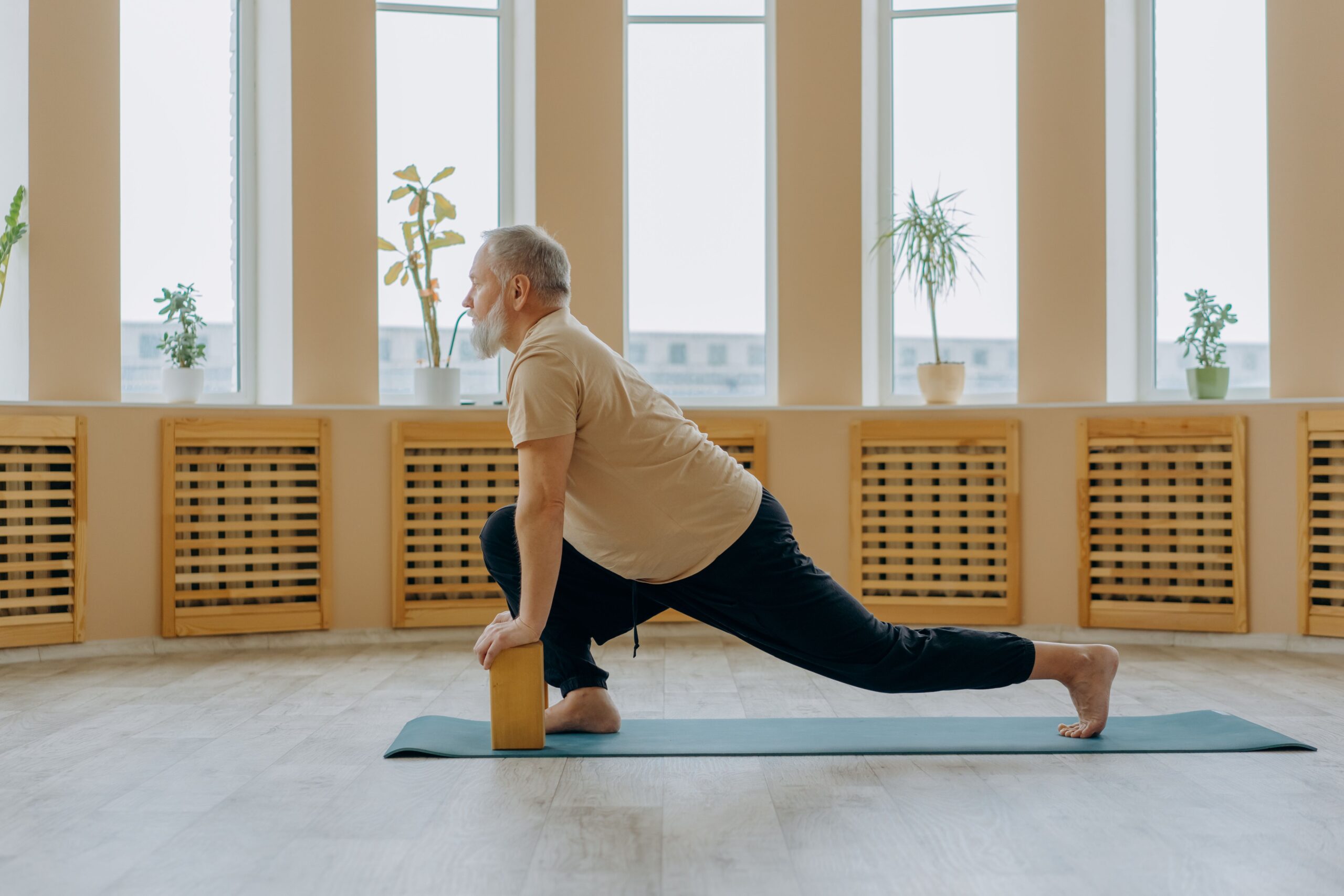
Walking, cycling and running are aerobic activity. They count towards the 150 minutes, but they do not meet the strength target, because they leave the chest, back, shoulders and arms largely untouched. The NHS lists what does count: lifting weights, working with resistance bands, bodyweight exercises such as push-ups and sit-ups, and also yoga, pilates and heavy gardening.
The key phrase in both guidelines is all the major muscle groups. A routine of squats and crunches covers legs and abdomen and nothing else. The practical fix is to build each strength session from one movement per group, so nothing gets missed by accident.
A home week that meets both targets
Here is one way to do it. It is an example, not a prescription — move the days around to fit your life. The totals are what matter.
- Monday: Strength session A (about 25 minutes).
- Tuesday: Brisk walk, 30 minutes.
- Wednesday: Brisk walk, 30 minutes.
- Thursday: Strength session B (about 25 minutes), then 10 minutes of skipping in short rounds.
- Friday: Brisk walk, 30 minutes.
- Saturday: Longer walk or bike ride, 40 minutes.
- Sunday: Rest, or an easy stroll.
That is 130 minutes of moderate walking plus 10 vigorous minutes of skipping, which count as about 20 moderate ones: 150 in total, and two strength days. Count only the minutes the rope is actually turning, not the rests between rounds. If skipping is not for you, add another 20 minutes of brisk walking instead.
Strength session A
- Legs and hips: squats (bodyweight or holding a dumbbell at your chest).
- Hips: glute bridges, with a loop band just above the knees once they get easy.
- Back: one-arm dumbbell rows, supported on a chair.
- Chest and arms: push-ups — against a kitchen counter or on your knees is fine.
- Shoulders: overhead press with light dumbbells.
- Abdomen: a plank, or dead bugs on the floor.
Strength session B
- Legs and hips: reverse lunges.
- Hips: banded lateral walks.
- Back and shoulders: band pull-aparts.
- Chest: dumbbell floor press, lying on your back.
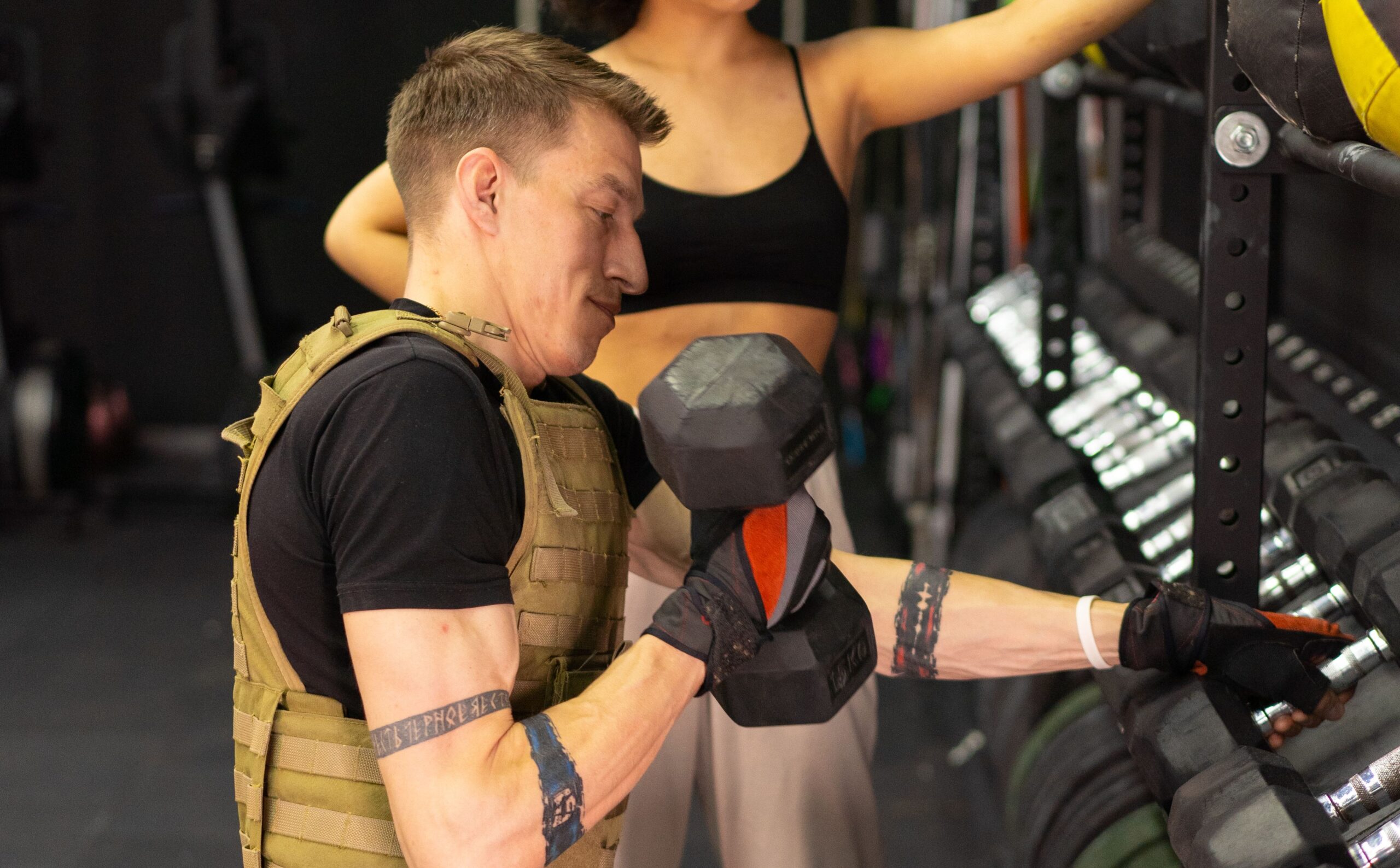
- Arms: dumbbell curls.
- Abdomen: side planks, both sides.
Two or three rounds of each list is a reasonable start. Pick a resistance you can control for around twelve clean repetitions, and make it harder only when that number feels easy. If you are travelling, our five resistance band exercises for a hotel room cover a strength day with nothing but a band.
The minimum kit, and what each piece is for
Bodyweight alone can carry you a long way, especially for legs, chest and abdomen. Where it struggles is the back and shoulders: there is no easy bodyweight pull at home without a bar. Three inexpensive items close most of the gaps in the plan above.
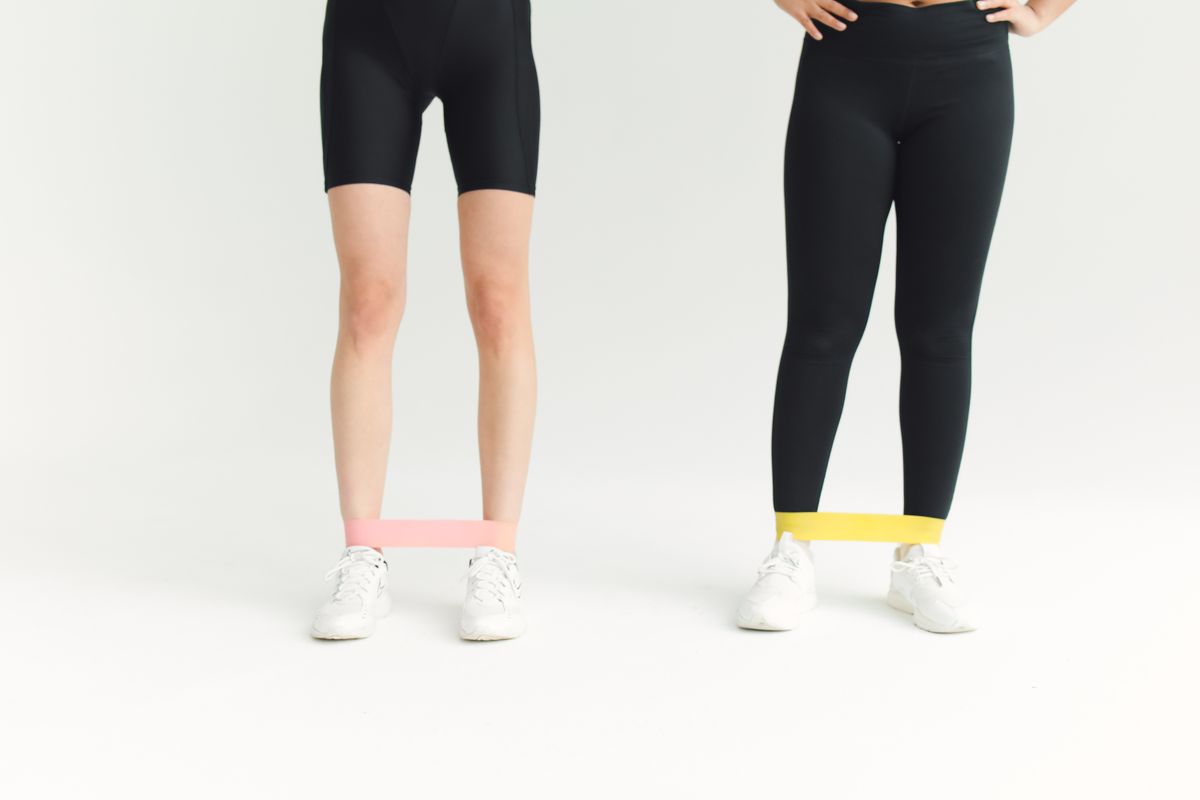
Fit Simplify Resistance Loop Bands (Set of 5)
Five loop bands from extra light to extra heavy, with a carry bag, so one set scales from band pull-aparts to banded squats. The honest downside: they are latex, so not for anyone with a latex allergy, and with no handles or door anchor they suit lower-body work better than pulling exercises. Some buyers also report a band snapping.
Read our full review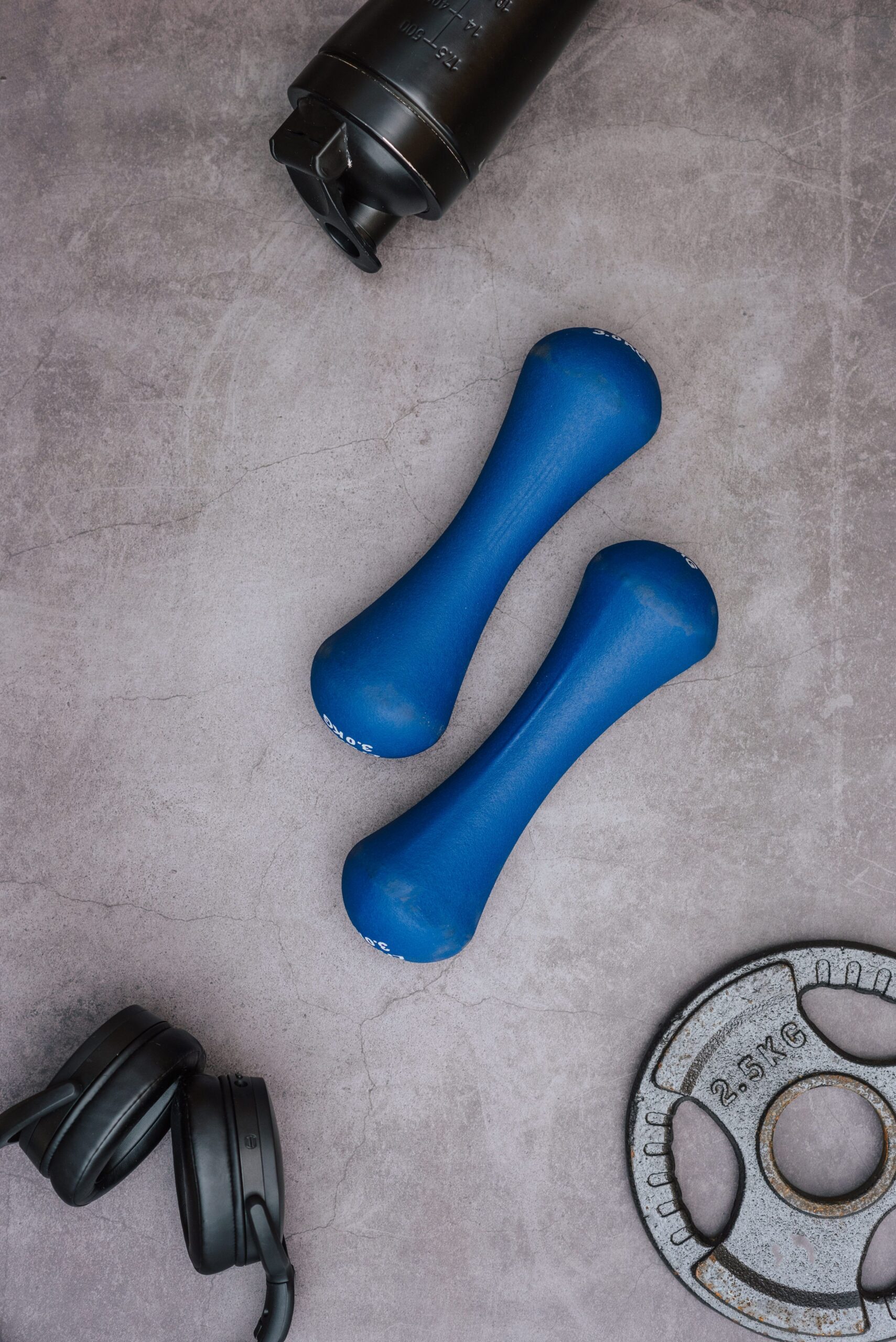
Amazon Basics Neoprene Dumbbells (10 lb Pair)
Neoprene-coated hex dumbbells that do not roll away and are kind to floors — enough for the rows, presses and curls in both sessions. The honest downside: the handles run thick for small hands, and fixed weights mean buying another pair as you get stronger. One pair is usually too light for rows and too heavy for shoulders.
Read our full reviewIf you are unsure what weight to buy, our guide to choosing home dumbbells goes through it step by step.
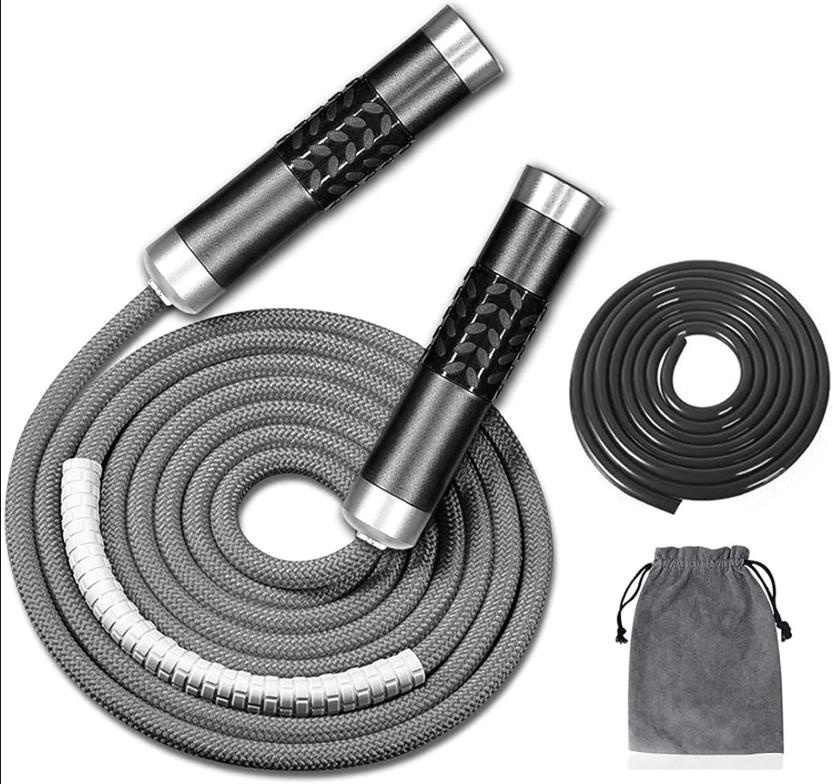
Redify Weighted Jump Rope (1 lb)
The NHS lists skipping as vigorous activity, and a rope turns ten spare minutes into twenty minutes’ worth of the weekly target. This one has ball-bearing handles and two interchangeable ropes. The honest downside: if you have never skipped, learn the timing on a light rope first, and some very heavy daily users report wear over time.
Read our full reviewSkip on a forgiving surface, not concrete or tiles, and start with rounds of about thirty seconds. If your knees, neighbours or ceiling height rule skipping out, brisk walking does the same job at half the rate. Walking with a weighted vest is another way to make a walk harder; our rucking guide explains how.
Five mistakes that stall a home routine
- Tracking one number. A step counter tells you about the 150 minutes and nothing about the two strength days. Tick those off separately.
- Starting at the full target. If you are currently inactive, any increase helps. Build towards 150 minutes over several weeks rather than starting there and quitting in week two.
- Strength days that skip the upper body. Squats and sit-ups are a start, not a full session. Check each workout against the seven muscle groups.
- Buying the gear first. Do two weeks of the bodyweight version. You will know exactly which piece you are missing, and you will not end up with a drawer of unused equipment.
- Ignoring the hours in between. Thirty minutes of exercise does not cancel out ten hours in a chair. The NHS asks you to break up long periods of sitting, too: stand up, walk while you take calls, use the stairs.
Notice what most of that list has in common: the hard part is not the plan, it is repeating it in week six. If that is where your routines usually break, our Atomic Habits by James Clear review covers one option — a book built around a four-part framework for making small behaviours automatic instead of relying on motivation. The review is just as clear about who should skip it: if you have already picked up the core ideas from summaries or podcasts, the later chapters are a fuller version of what you already know. Nothing in the week above depends on reading it.
If you have a heart condition, joint problems, are pregnant, or have been inactive for a long time, speak to your doctor before you change how much you exercise. They can tell you what is sensible for you; a general guide cannot.
Frequently asked questions
Is walking enough exercise?
Brisk walking can cover the full 150 minutes of moderate activity. It does not meet the second part of the guidelines: muscle-strengthening activity for all the major muscle groups on at least two days a week.
Can I split the 150 minutes into short sessions?
Yes. The CDC says you can break the time into smaller chunks, and the NHS suggests spreading it over four to five days or every day.
Do resistance bands count as strength training?
Yes. The NHS lists working with resistance bands as a muscle-strengthening activity, alongside lifting weights and bodyweight exercises such as push-ups.
How do I know if my exercise is moderate or vigorous?
Use the talk test. If you can talk but not sing, it is moderate. If you cannot say more than a few words without pausing for breath, it is vigorous.
Sources
- NHS — Physical activity guidelines for adults aged 19 to 64: weekly targets, muscle groups, the talk test, examples of vigorous and strengthening activity, reducing sitting.
- CDC — Adult Activity: An Overview: 150 moderate or 75 vigorous minutes, two strength days, splitting activity into smaller chunks.
- Product details: manufacturer specifications and recurring patterns in public buyer reviews, as summarised on each linked shelf page.
We have not personally tested the products mentioned here. Some pages on this site contain Amazon affiliate links, from which we earn a commission on qualifying purchases at no extra cost to you. This article is general information, not medical advice.
Pingback: Madeira Levada Walks: Booking Rules, Fees and Trails