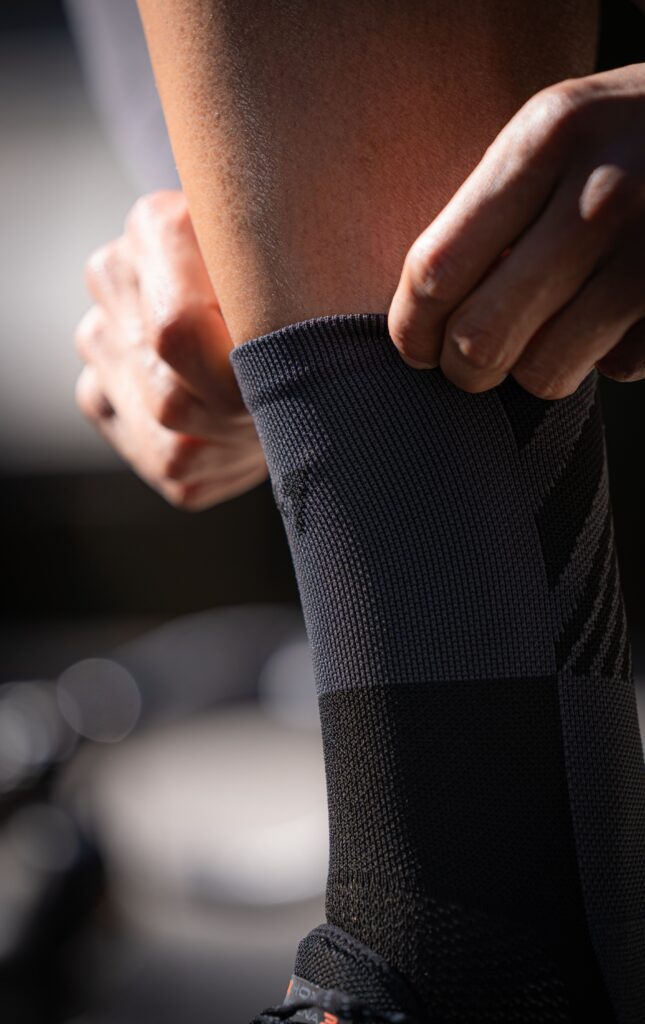
Compression socks show up a lot in nursing, retail, and travel circles. The idea isn’t marketing fluff — graduated compression (tighter at the ankle, looser higher up) genuinely assists blood flow back up the leg, which is why they’re common recommendations for long shifts on your feet or long flights.
What the pressure rating actually means
Compression is measured in mmHg. Everyday over-the-counter socks (roughly 15–20 mmHg) are aimed at general comfort — reducing that heavy, tired-legs feeling after a long day standing or a long flight. Higher medical-grade compression (20-30 mmHg and above) is generally intended for a diagnosed circulatory condition and is worth getting properly fitted for by a doctor rather than picking a number off Amazon.
Who tends to notice a difference
- People on their feet for 8+ hour shifts (retail, healthcare, hospitality).
- Frequent flyers on long-haul routes.
- Anyone doing long days of standing/walking without much sitting to let blood pool return normally.
For everyday tiredness, general compression socks are a low-risk, low-cost thing to try. For an actual circulatory condition (varicose veins, DVT history, etc.), talk to a doctor before choosing a compression level — that’s a medical decision, not a shopping one.
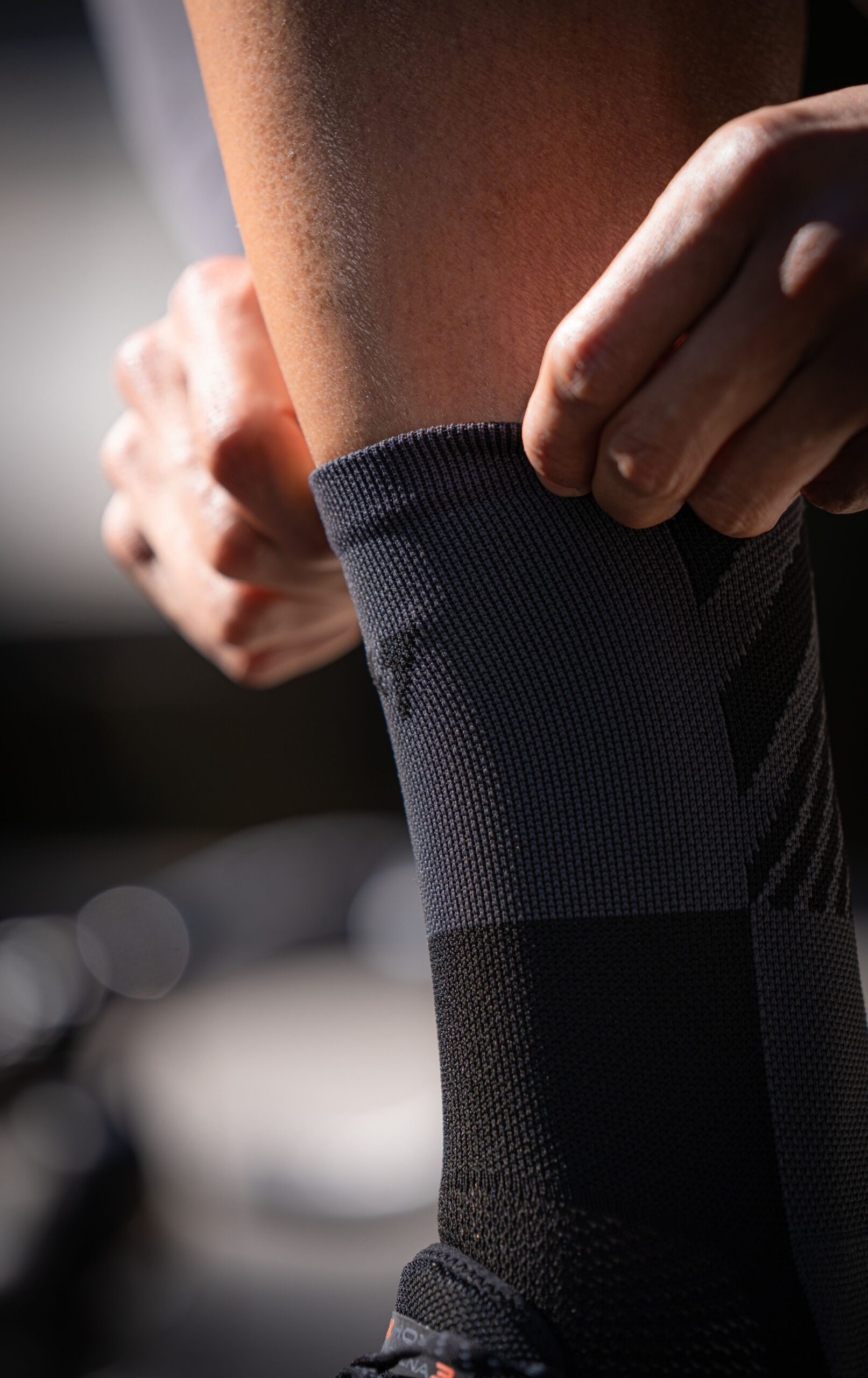
Graduated compression socks in a 3-pack, aimed at everyday comfort rather than medical-grade use.
See Full Review →As an Amazon Associate I earn from qualifying purchases. This is a researched recommendation, not a claim of personal testing, and none of this is medical advice.