

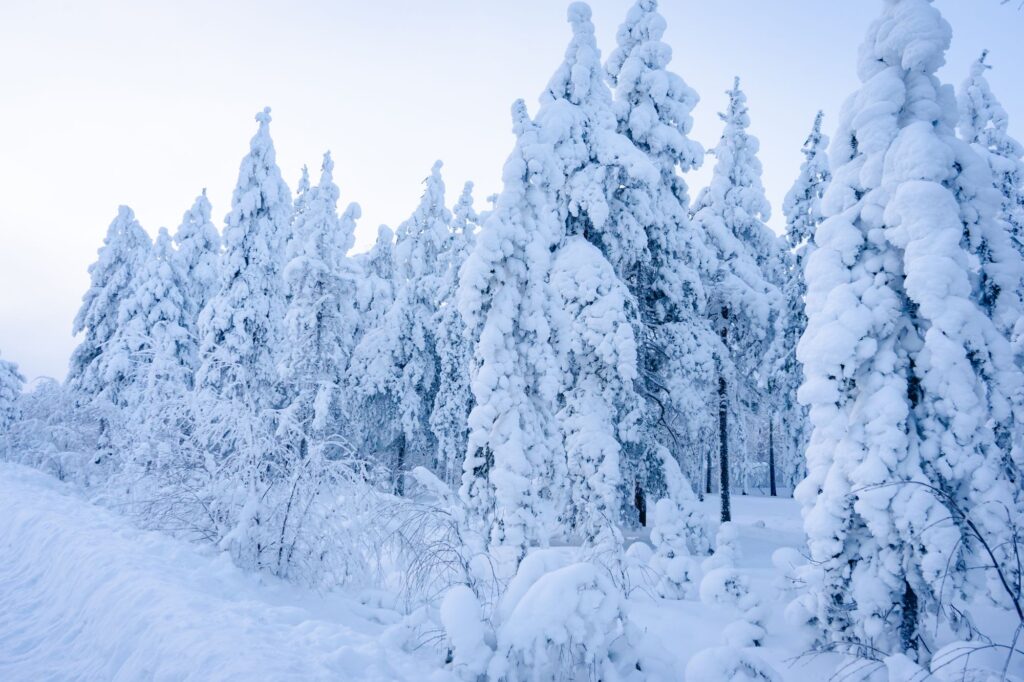
Finnish Lapland treats sauna and cold exposure as a daily habit rather than a spa treatment, which makes it a genuinely different kind of wellness trip – the physical activity is cross-country skiing and snowshoeing across wide, quiet forest terrain, and the recovery culture built around sauna use is centuries old, not a modern wellness import.
Cross-country skiing across wide, flat terrain
Unlike the steep alpine skiing further south in Europe, Lapland’s terrain is largely flat to gently rolling, which makes cross-country skiing (langlauf) far more approachable for a first-timer than downhill skiing – it is closer to a long, steady hike on skis than a technical sport. Marked trails around Levi, Saariselka, and Ylläs range from short loops to multi-hour routes through snow-covered forest, and snowshoeing covers the same ground for anyone who would rather skip the learning curve entirely.
First time on cross-country skis? A short lesson saves a day of falling over. This cross-country skiing experience in Rovaniemi is a short guided session, which is the easiest way to find out whether you want to rent skis for the rest of the trip.
Why sauna culture is followed by real sleep, not just relaxation
A Finnish sauna session followed by cold exposure (rolling in snow or a cold plunge) is a genuine, long-practiced routine here, not a wellness trend. A weighted blanket back home extends that same heavy, settled feeling on nights when a sauna is not available.
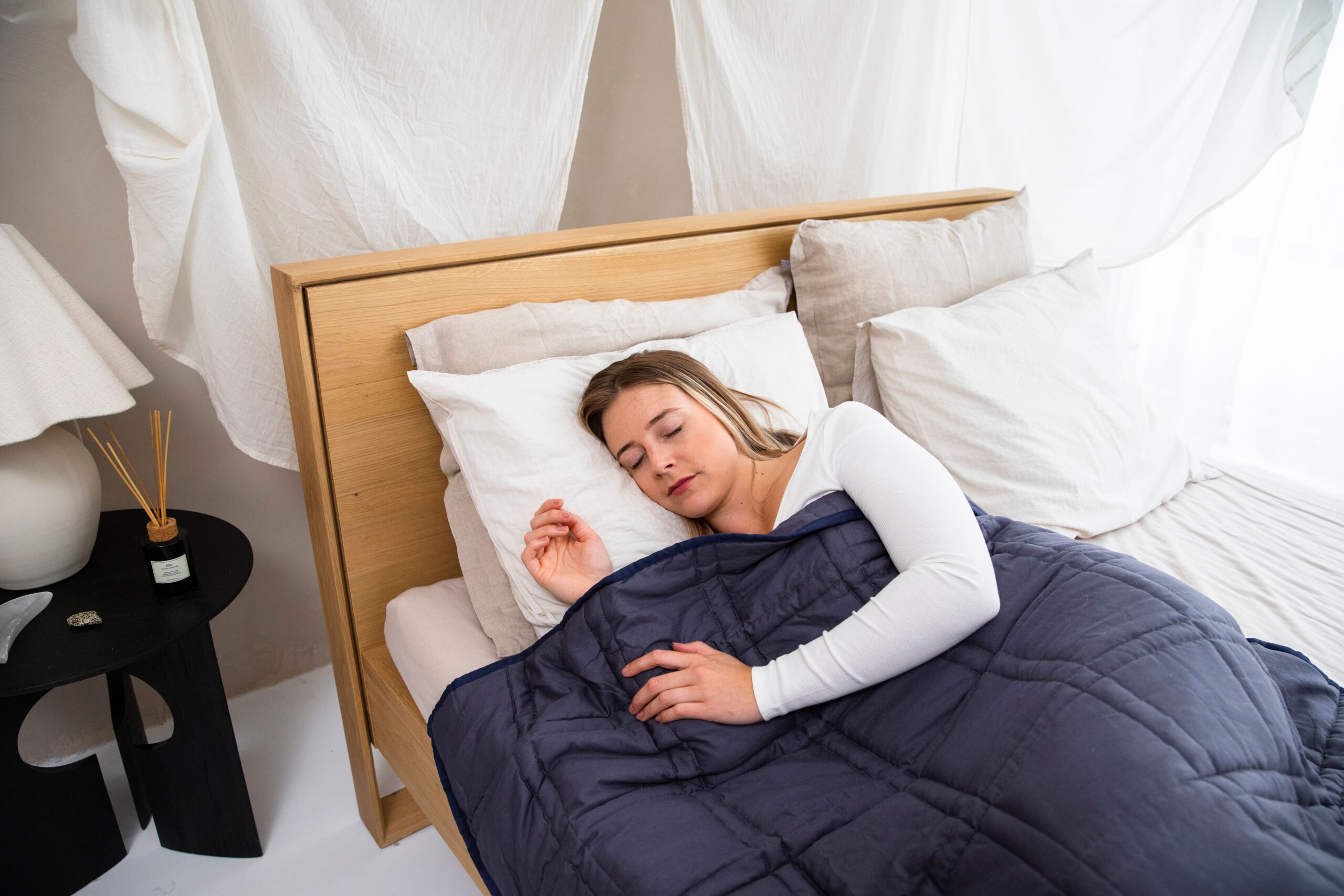
A weighted blanket designed to mimic the settled, heavy feeling of deep relaxation – a simple way to extend a sauna-and-cold routine at home.
See Full Review →Practical notes
- Visit Finland gives December to March as the main skiing and snowshoeing season in Lapland, with snow often from November; the darkest days are in December and January.
- Cross-country ski and snowshoe rental is widely available at resort towns – no need to travel with equipment.
- Cold-water plunges after sauna are a personal choice, not a requirement – most facilities offer a simple cool shower as a lower-intensity alternative.
If the same trip takes you through a German or Austrian Therme on the way, the etiquette there is stricter and more codified than the Finnish version — we traced it back to the venues’ own house rules in German sauna rules: what the house rules actually require.
Where to stay
Rovaniemi is the easiest base: it has the airport, the ski and snowshoe rental, and most tour pickups. We have not stayed at a specific hotel there; compare options for your dates: places to stay in Rovaniemi on Booking.com (affiliate link).
Know before you go
Checked against official sources in October 2026. Rules and fees change, so confirm with the source before you travel.
- Emergency number: Finland’s emergency number is 112. Visit Finland recommends installing the 112 Suomi app, which sends your location with the call. (Visit Finland)
- Phone, map and compass: Carry a fully charged phone and a power bank, because batteries drain faster in the cold. Do not rely on digital devices alone: bring a paper map and compass. (Visit Finland)
- National park rules: Everyman’s rights do not apply as such in national parks. Camping is only permitted at designated sites, and marked trails are recommended. (Metsähallitus, Luontoon.fi)
- Ski tracks and dogs: Everyman’s rights do not allow you to take a dog onto a maintained ski track. (Metsähallitus, Luontoon.fi)
- Fires and firewood: You may not light a fire on someone else’s land or collect dry wood or fallen trees under everyman’s rights. (Metsähallitus, Luontoon.fi)
- Cold and dark: Average winter temperatures in Rovaniemi run from -10°C to -20°C. In northern Lapland the sun does not rise at all during the first weeks of January. (Visit Finland)
- Sauna basics: Finnish saunas typically run at 70 to 90°C. Public saunas are signed for men, women or mixed, and in mixed saunas people tend to wear swimsuits or towels. People with serious health conditions, such as heart problems, should avoid sauna. (Visit Finland)
Pack for it
The gear that earns its space on this particular trip. Each review states what the item does well and one honest downside, with current pricing on Amazon.
- Rainleaf microfiber travel towel – Finnish sauna is the point of the trip; a towel that dries overnight belongs in the bag.
- Liquid I.V. Hydration Multiplier – A long sauna session is a real fluid and salt loss, not just relaxation.
- MZOO 3D sleep mask – If you come in summer instead, the light never properly goes.
- JALL wake-up light sunrise alarm clock – In the first weeks of January the sun does not rise at all in northern Lapland, so the only sunrise on offer is a simulated one; the listing describes a gradual light ramp before the alarm sounds, and reviewers call the built-in speaker basic.
As an Amazon Associate I earn from qualifying purchases. This is a researched recommendation, not a claim of personal testing, and none of this is medical advice.
Some links on this page are affiliate links: product links go to our own review pages, and tour links go to Viator or GetYourGuide, and hotel links go to Booking.com (via CJ). If you book or buy through them we may earn a commission, at no extra cost to you. We have not taken these tours ourselves; we picked them because they match the activity described.


Pingback: German Sauna Rules: What the House Rules Actually Require
Pingback: What to Bring to a German Sauna or Therme (Checklist)