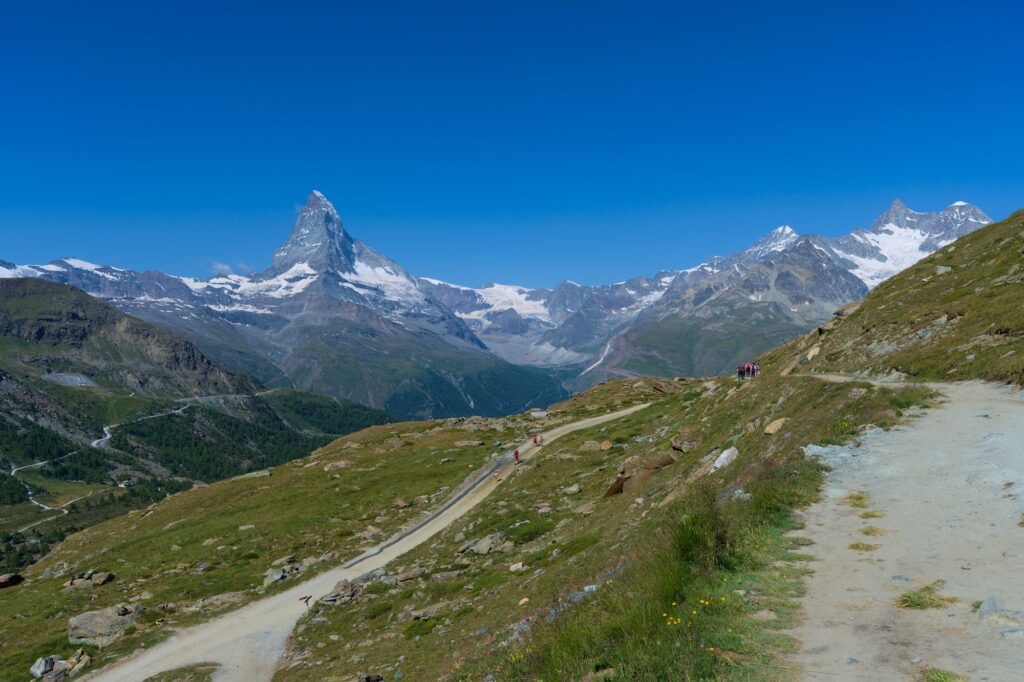
The Swiss Alps run on two completely different seasonal calendars that both count as wellness travel: winter is ski touring and snowshoeing through some of the most established alpine infrastructure in the world, and summer swaps skis for the same trail network on foot, with the wellness-hotel culture around towns like Zermatt and Interlaken running year-round regardless of season.
Snowshoeing, ski touring, and summer alpine trails
Snowshoeing routes around Zermatt and the Jungfrau region are typically marked and groomed separately from ski runs, making them accessible without technical ski experience – a genuine hike in winter conditions rather than a beginner ski lesson. Ski touring (climbing on skins before skiing back down) is the more demanding option, aimed at people already comfortable off-piste. In summer, the exact same valleys open up into long, well-marked alpine hiking trails with mountain huts spaced for multi-day routes.
Snowshoeing without local knowledge of avalanche terrain is a bad idea in the Alps. A guided snowshoe tour below the Wetterhorn from Grindelwald takes around four hours and handles the route choice for you.
The neck and shoulder tax of winter sports
Carrying poles, wearing a pack, and the simple tension of cold-weather posture all load the neck and shoulders in ways that a warm-climate hike does not – it is one of the more common complaints after a day of snowshoeing or touring. A dedicated neck and shoulder massager with heat targets exactly that tension in a way a general massage gun is less suited to.
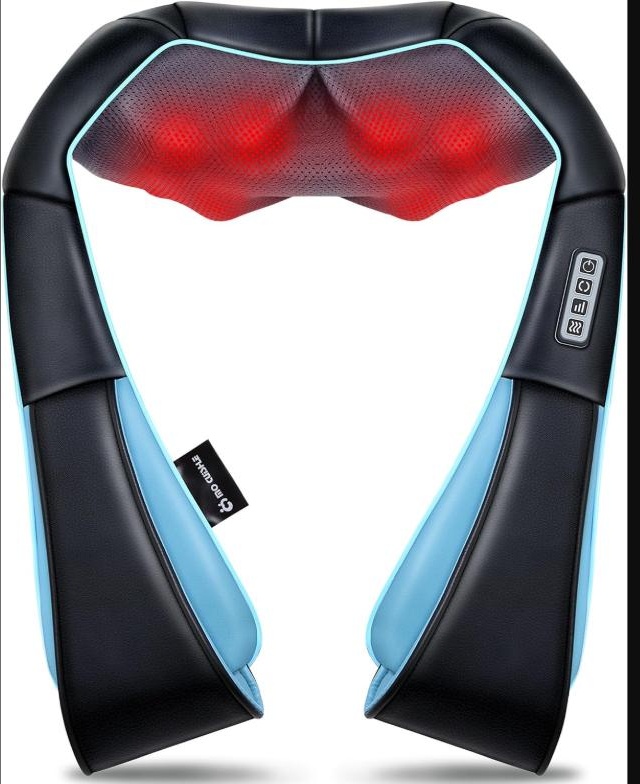
A wearable massager built specifically for neck and shoulder tension, with a heat setting suited to cold-weather stiffness.
See Full Review →Practical notes
- Ski season generally runs late November through April at higher elevations, while summer hiking trails are typically clear of snow from June through September.
- Ski touring requires avalanche safety equipment and, for most visitors, a certified mountain guide – it is not a self-guided activity for beginners.
- Many alpine mountain huts on multi-day summer routes require advance reservation, especially in July and August.
Where to stay
Grindelwald works as a base for both winter snowshoeing and summer trails in the Jungfrau region, with the tour pickups in the village. We have not stayed at a specific hotel there; compare what is available for your dates: places to stay in Grindelwald on Booking.com (affiliate link).
Know before you go
Checked against official sources in October 2026. Rules and fees change, so confirm with the source before you travel.
- Avalanche bulletin timing: In winter and spring the SLF publishes the avalanche bulletin every day at 5 pm; when danger level 3 or higher is forecast it is updated at 8 am. (SLF)
- Respect level 3: Level 3, considerable, is forecast for about 30% of the winter but accounts for around 50% of avalanche deaths. (SLF)
- Read the trail markings: Yellow signs mark ordinary hiking trails. White-red-white marks mountain trails, mostly steep, narrow and sometimes exposed. White-blue-white marks alpine routes that can cross snowfields, glaciers and scree. (Switzerland Tourism)
- Wildlife rest zones: On snowshoes or touring skis, respect wildlife rest zones, stay on designated routes in forests, avoid forest edges and snow-free patches, and keep dogs on a lead. (Natur & Freizeit)
- Emergency number: For mountain rescue in Switzerland, call Rega on 1414. (Rega)
- Book huts online: SAC hut beds can be reserved online; more than 500 huts across the Alps use the same reservation system. (Swiss Alpine Club SAC)
Pack for it
The gear that earns its space on this particular trip. Each review states what the item does well and one honest downside, with current pricing on Amazon.
- Liquid I.V. Hydration Multiplier – Altitude and dry alpine air raise fluid loss well before you feel thirsty.
- LifeStraw Go filter bottle – Alpine streams on summer trails, without carrying three litres from the valley.
- Manduka eKO Superlite travel yoga mat – Chalet-floor mobility work is what keeps the neck and shoulder tax from compounding.
As an Amazon Associate I earn from qualifying purchases. This is a researched recommendation, not a claim of personal testing, and none of this is medical advice.
Some links on this page are affiliate links: product links go to our own review pages, and tour links go to Viator or GetYourGuide, and hotel links go to Booking.com (via CJ). If you book or buy through them we may earn a commission, at no extra cost to you. We have not taken these tours ourselves; we picked them because they match the activity described.