Bali is usually sold as a beach holiday, but the wellness crowd goes for a different reason: it’s one of the few places where a serious yoga practice, a genuine hike, and a proper beach day all fit into the same morning. The island’s mix of rice-terrace trails, surf breaks, and a deep-rooted yoga culture (Ubud has been a retreat hub for decades, not a recent trend) makes it a rare match of scenery and structure.
Rice terraces, surf, and sunrise hikes
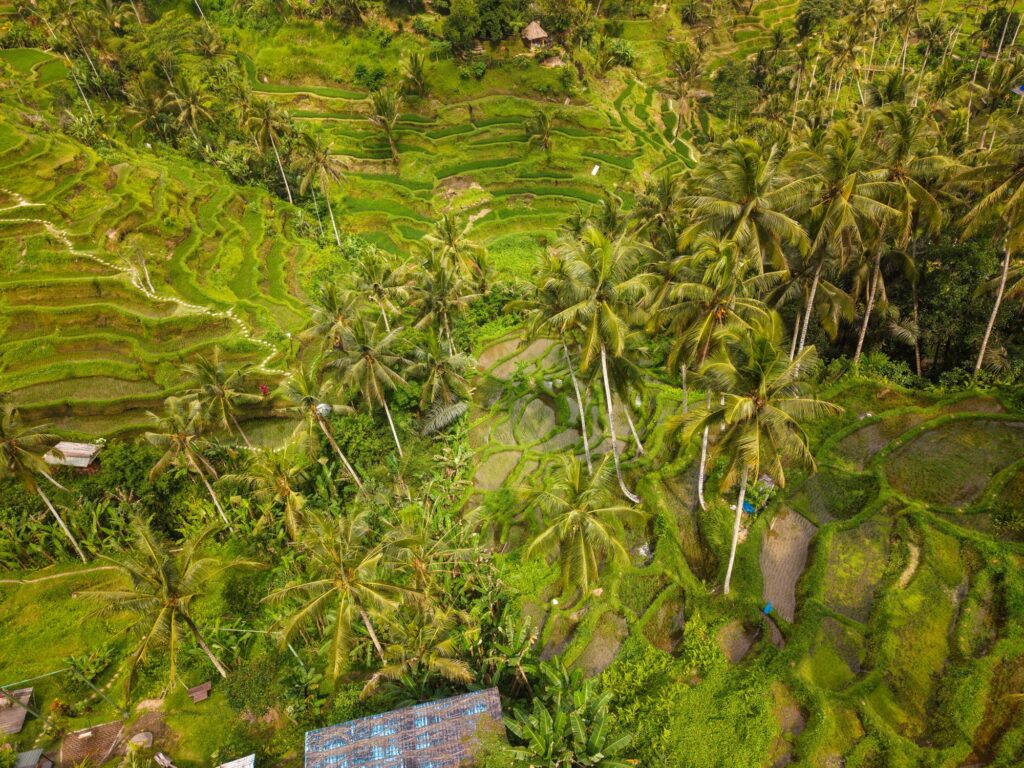
The Tegallalang and Jatiluwih rice terraces outside Ubud offer flat, shaded walking paths that double as an easy daily-movement habit without feeling like exercise. For something steeper, Mount Batur is climbed before dawn by most visitors specifically for the sunrise at the summit — it’s a real hike (roughly two hours up loose volcanic scree), not a stroll, so a reasonable base fitness level matters more than people expect. On the coast, Canggu and Uluwatu are the two areas built around surfing, with board rental and lessons available for beginners at both.
The Mount Batur sunrise hike starts in the dark, and a local guide is expected on the mountain. A Mount Batur sunrise tour with breakfast is a guided hike with breakfast, starting from the Ubud area; check the listing for pickup details.
Why a yoga block earns its space in the bag
Studios across Ubud run daily drop-in classes, and most rent props on-site — but travelling with your own block means you’re not dependent on what a particular studio has in stock, and it packs flat against a suitcase wall. It’s also just as useful back home, which makes it one of the few travel items that isn’t dead weight the other 350 days of the year.
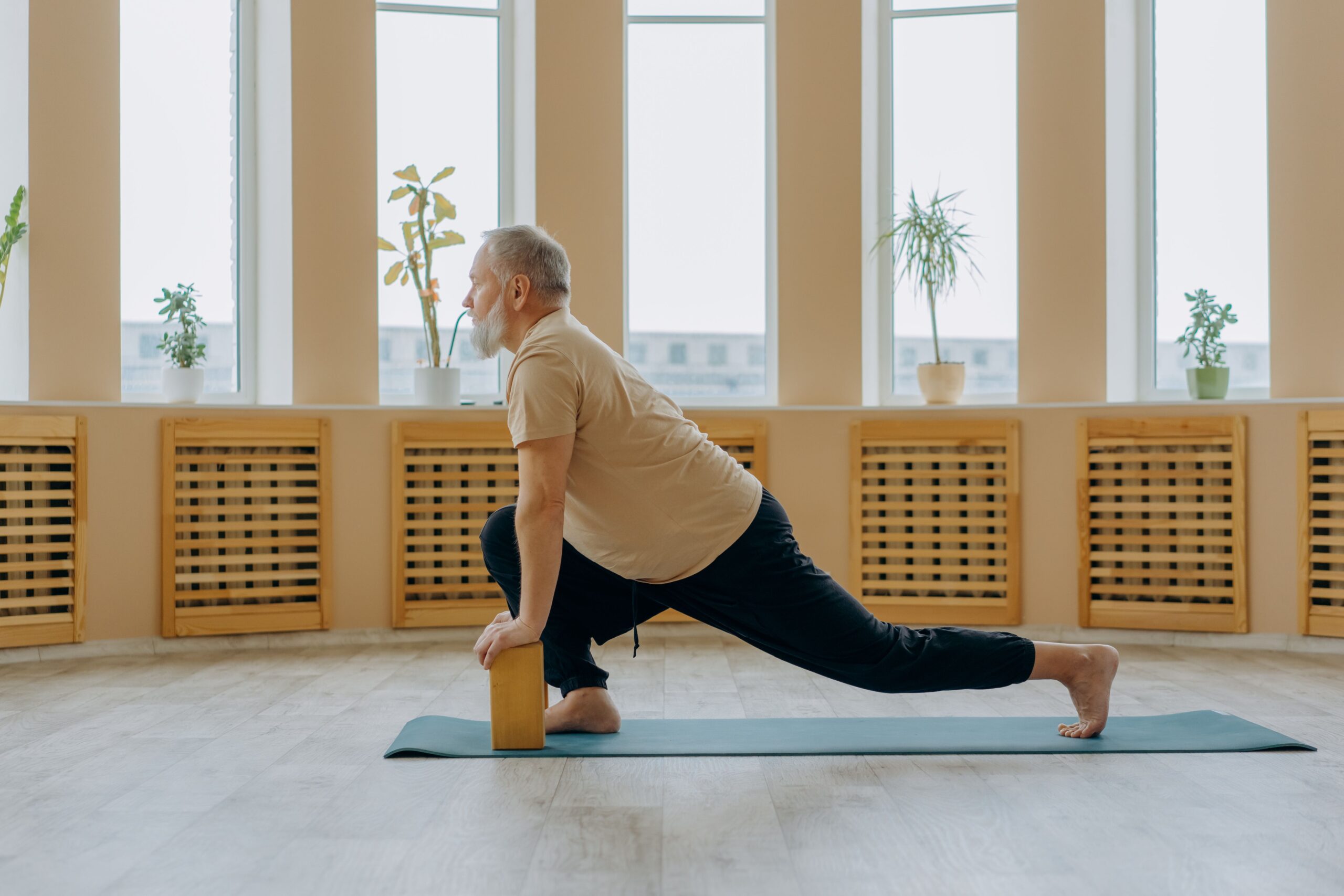
Lightweight EVA foam block that adds stability to standing and seated poses — packable enough to bring on a trip without a second thought.
See Full Review →Practical notes
- Best months for drier weather are April–October; the wet season (Nov–Mar) brings short, heavy afternoon downpours rather than all-day rain.
- Mount Batur sunrise treks are typically arranged the night before through a local guide, starting around 2–3am.
- Ubud and the south coast (Canggu/Uluwatu/Seminyak) are roughly 1–1.5 hours apart by car, so most visitors base themselves in one and day-trip to the other.
Where to stay
Most visitors pick one base and day-trip to the other: Ubud for the rice terraces, yoga studios and the Mount Batur pickup, or the south coast for surf. We have not stayed at a specific hotel and do not recommend one; compare what is available for your dates: places to stay in Ubud on Booking.com or in Canggu (affiliate links).
Know before you go
Checked against official sources in October 2026. Rules and fees change, so confirm with the source before you travel.
- Bali tourist levy: Every international tourist pays a one-off levy of IDR 150,000 per person. The provincial government asks you to pay online before you fly; you can also pay by card at counters at Bali’s airport and port. You get a voucher with a QR code by email. (Love Bali, Bali Provincial Government)
- Arrival card: Fill in the free All Indonesia customs and health declaration online or in the app within 72 hours before you arrive. Avoid look-alike sites that ask for payment. (UK FCDO travel advice)
- Visa: British passport holders need a visa. A 30-day visa on arrival costs IDR 500,000, and you need proof of an onward or return journey. Other nationalities should check their own rules. (UK FCDO travel advice)
- Guides at natural and cultural sites: Under the Governor of Bali’s 2025 rules for foreign tourists, visitors exploring cultural or natural sites must be accompanied by a certified guide. Book a sunrise hike with a licensed guide. (Love Bali, Circular No. 7 of 2025)
- Temples and dress: Wear modest clothing at temples, tourist attractions and public spaces. Do not enter the inner sacred areas of a temple unless you are worshipping in traditional Balinese dress. (Love Bali, Circular No. 7 of 2025)
- Single-use plastic: The same rules ban tourists from using plastic bags, Styrofoam, plastic straws and drinks in plastic packaging. A refillable bottle covers this. (Love Bali, Circular No. 7 of 2025)
- Health: The UK’s travel health service lists a dengue risk and advises avoiding mosquito bites, especially during the day. Rabies has been reported in domestic animals, and malaria risk in Bali is low. (TravelHealthPro (NaTHNaC))
Pack for it
The gear that earns its space on this particular trip. Each review states what the item does well and one honest downside, with current pricing on Amazon.
- Manduka eKO Superlite travel yoga mat – Villa and retreat floors are tile, and a folded 1.5 mm mat rolls into a daypack for a sunrise session on a terrace.
- LifeStraw Go filter bottle – Refilling on the way to the rice terraces beats buying a plastic bottle at every warung.
- Liquid I.V. Hydration Multiplier – Humidity plus a pre-dawn hike takes out more salt than water alone puts back.
As an Amazon Associate I earn from qualifying purchases. This is a researched recommendation, not a claim of personal testing, and none of this is medical advice.
Some links on this page are affiliate links: product links go to our own review pages, and tour links go to Viator or GetYourGuide, and hotel links go to Booking.com (via CJ). If you book or buy through them we may earn a commission, at no extra cost to you. We have not taken these tours ourselves; we picked them because they match the activity described.