
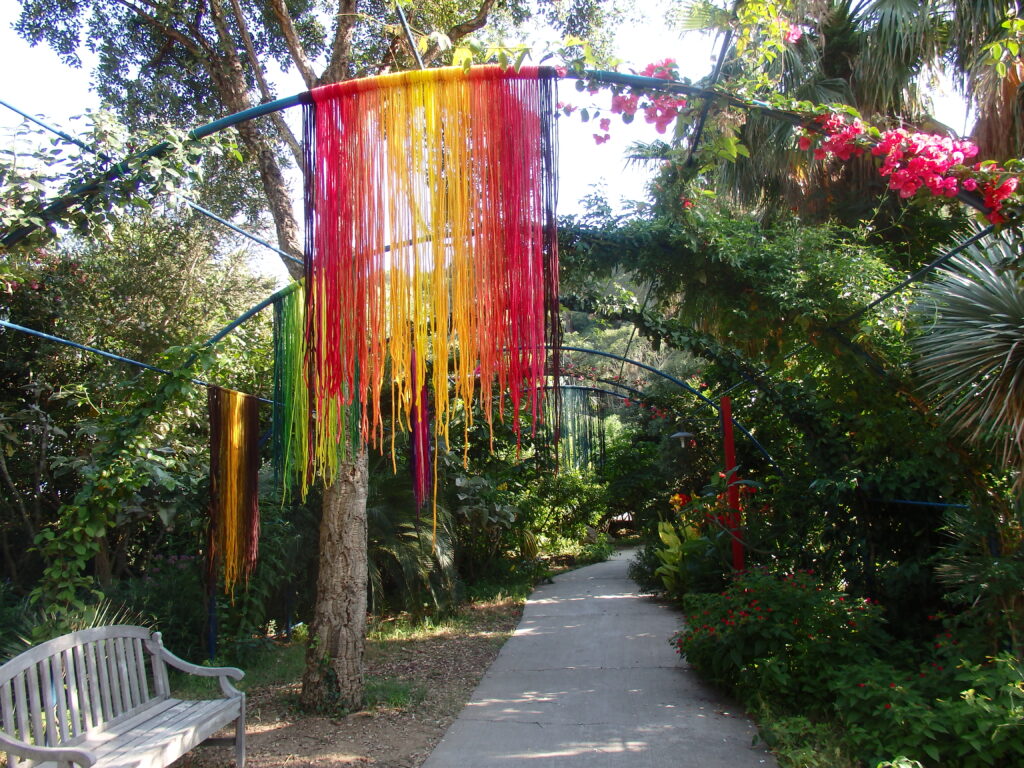
Choosing which thermal park to pick in Ischia depends on whether you prefer an organized multi-hectare garden facility like Parco Termale Negombo in Lacco Ameno or a natural spring site such as Cavascura and Olmitello accessed via coastal paths near Sant’Angelo.
Ischia’s thermal parks at a glance
Ischia is the largest island in the Bay of Naples, situated in the Tyrrhenian Sea roughly 30 kilometres (19 miles) from the city of Naples. The island is volcanic in origin and classified as an active volcano, though its last recorded eruption occurred between January and March 1302. Geographically, Ischia is roughly trapezoidal in shape, measuring 10 km from east to west and 7 km from north to south. It features a coastline of 34 km and covers an area of 46.3 square kilometres (also recorded as 46.55 km2 or 47 square kilometres). Its highest elevation is Mount Epomeo, standing at 788 metres (2,585 feet) or 789 m (2,589 ft) above sea level.
Each year, up to 6 million tourists—primarily from the Italian mainland and Germany—visit the island to experience its volcanic thermal springs, beaches, and local food. Over centuries, hydrovolcanic eruptions and earthquakes altered the island’s soil composition, creating mineral-dense thermal and hyperthermal waters and muds. While medical claims are made for these muds and waters, such claims are not based on evidence.
Overview of Thermal Options in Ischia
Visitors seeking thermal waters can select between several distinct locations across the island’s municipalities, which include Barano, Casamicciola Terme, Forio, Ischia, Lacco Ameno, and Serrara-Fontana.
Parco Termale Negombo is situated in the bay of San Montano along Via San Montano in the municipality of Lacco Ameno. Spanning an area of over 9 hectares, Negombo combines thermal springs, a wellness center, and a wide crescent beach with fine sand and long stretches of shallow water. The park’s layout was shaped by landscaper Ermanno Casasco to integrate with local botany. The property’s history dates back to 1946, when Duke Luigi Silvestro Camerini arrived on the island seeking a location for a botanical park inspired by a bay he had visited in Ceylon. For inquiries, the venue maintains the phone number 081 986152. It hosts social gatherings and banquets for up to 500 people, as well as the Ipomea market exhibition.
Another option includes the thermal springs of Cavascura and Olmitello, located near Sant’Angelo and Maronti beach in the southern portion of the island. Accessing Cavascura involves taking a taxi boat from the main square of Sant’Angelo to Fumarole beach. From there, a footpath flanked by oleander trees leads past houses and climbs steeply before leveling out amidst Mediterranean vegetation such as figs, capers, and prickly pears. The trail passes above Maronti beach and goes beneath a natural stone arch before turning right to reach the beach entrance of Cavascura.
Thermal spring history is also tied to Casamicciola Terme on the northern coast between Ischia town and Lacco Ameno. The town’s name originates from “Casa Nizola,” named for a Roman matron who dipped her legs into a warm stream near her home. Casamicciola features the Sentinella area, home to the Bourbonic Geophysical Observatory, as well as Mount Rotaro, the coastal Bosco del Castiglione (Castle’s Wood), and the 45-hectare Bosco della Maddalena (Magdalene’s Wood) located in Fondo d’Oglio between Monte Rotaro and Monte Cretaio.
Comparison of Thermal Parks and Springs
| Thermal Site | Municipality | Key Features | Access Route |
|---|---|---|---|
| Parco Termale Negombo | Lacco Ameno | Over 9 hectares, fine sand beach, shallow waters, botanical gardens, thermal springs | Via San Montano, Lacco Ameno |
| Cavascura and Olmitello Springs | Serrara-Fontana / Sant’Angelo | Natural hyperthermal springs, tufa rock landscape, proximity to Maronti beach | Taxi boat from Sant’Angelo square to Fumarole beach, then footpath through natural arch |
| Casamicciola Thermal Springs | Casamicciola Terme | Historic thermal streams, Sentinella lookout, 45-hectare Bosco della Maddalena | Northern coastal road between Ischia Porto and Lacco Ameno |
Operating Schedules and Opening Hours
Parco Termale Negombo opens its 2027 operating season starting on 23 April 2027. Additionally, the park hosts its Ipomea market exhibition of rare and unusual plants on 28, 29, and 30 May 2027. Operating schedules across Ischia align closely with seasonal daylight variations. Summer months feature long, hot days with lengthy evenings, providing extended daylight for outdoor visits. Conversely, winter months feature short daylight hours along with cold, wet weather conditions.
Visitor Rules and Environmental Guidelines
Visitors navigating thermal zones must adhere to designated pedestrian routes to protect the island’s varied ecosystems. When accessing Cavascura from Fumarole beach, travelers are required to remain on the established footpath that passes oleander trees and leads under the natural arch to Maronti beach. Walking guidelines help preserve the diverse flora of the island, which is known as the “Green Island” due to its fertile volcanic soil.
The island exhibits distinct ecological zones. The southern exposure receives continuous direct sunlight, supporting tropical and desert species such as palms, cacti, and agave plants alongside sheltered Mediterranean trees. The northern side, shaded by Mount Epomeo, supports chestnut trees, holm oaks, cypresses, cork trees, cultivated almond trees, vines, and olive trees. Preserving these botanical environments is a priority across both private parks like Negombo and public paths leading to natural springs.
How to Get to Ischia and its Thermal Sites
Ischia lies in the Gulf of Naples in the Tyrrhenian Sea, 30 kilometres (19 miles) from Naples. Transportation across the island connects its main towns, which include Barano, Casamicciola Terme, Forio (the largest city on the west coast), Lacco Ameno, Serrara-Fontana, and Ischia municipality. The municipality of Ischia contains two primary centers: Ischia Porto, which houses the main port, and Ischia Ponte, which is connected to the historic Castello Aragonese by a stone footbridge.
To reach Parco Termale Negombo, visitors travel to Via San Montano in the municipality of Lacco Ameno. To reach the natural springs of Cavascura and Olmitello from Sant’Angelo, travelers take a taxi boat from the main square of Sant’Angelo to Fumarole beach. From the right side of Fumarole beach (with the water behind), pedestrians follow a path flanked by oleander trees up a steep section past local houses. The trail then levels out through capers, figs, and prickly pear bushes, offering views of Maronti beach before leading through a natural arch and turning right onto the beach entrance of Cavascura.
Best Times to Visit
The optimal period to visit Ischia and its thermal sites spans from April to October. During the summer, long hot days provide maximum sunshine for thermal park visits and beach activities. Specific dates of interest include 23 April 2027, which marks the start of the 2027 season for Parco Termale Negombo, and 28, 29, and 30 May 2027, when the Ipomea botanical market is held at Negombo. Travelers visiting in winter should prepare for cold, wet conditions and reduced daylight hours.
What to Bring
Because weather on Ischia is variable across all seasons, visitors should bring clothing suitable for both sunshine and rain. When exploring natural thermal paths like the walk from Fumarole beach to Cavascura, sturdy footwear is recommended to navigate the initial steep stretch of trail safely. Sun protection is essential during the long summer days, particularly on unshaded coastal routes along Maronti beach.
Common Visitor Mistakes
A frequent mistake made by travelers is confusing the island of Ischia with the municipality of Ischia. The town itself is divided into two distinct areas—Ischia Porto, the commercial hub, and Ischia Ponte, the bridge settlement—while thermal sites like Negombo and Cavascura are located in Lacco Ameno and Serrara-Fontana, respectively. Another error is visiting during winter expecting warm beach conditions, whereas winter brings cold, rainy weather and short daylight. Finally, visitors should note that medical claims regarding Ischia’s thermal muds and mineral waters are not supported by scientific evidence.
Where to stay and what to book
The thermal parks are spread around the island, so where you sleep decides which ones are an easy day. We have not stayed at a specific hotel and do not recommend one; compare what is available for your dates: places to stay on Ischia on Booking.com. For boat trips and guided days from Naples or on the island, see Ischia tours on Viator. We have not taken these tours ourselves. These are affiliate links: if you book through them we may earn a commission, at no extra cost to you.
More thermal water to plan
Like Ischia’s mix of hot pools and walking? Furnas hike and soak does the same on the Azores, and Merano hike and soak pairs Alpine trails with a thermal bath. For open-air thermal pools in Turkey, see Pamukkale travertine rules.
Sources
Photo: Negombo, Ischia, by Nemo bis, Wikimedia Commons, CC BY-SA 3.0.
Last checked 2026-11-12. Compiled from the venue and tourism-board pages listed above; not visited in person. Prices and hours change, so confirm before you go.
Affiliate disclosure: some links on HealthMotiveHub earn a commission at no extra cost to you. See our disclosure.